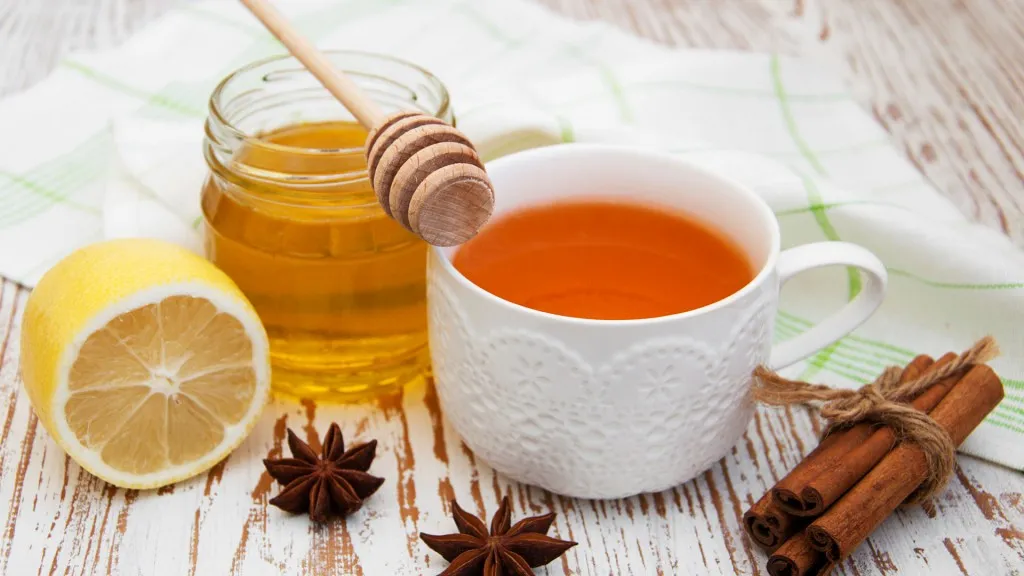
Herbal Teas to Help You Beat the Flu
When seasonal respiratory viruses and influenza hit, finding natural ways to support your immune system becomes a priority. At Acupuncture First, our Jersey City clinic leverages classical Chinese herbal medicine protocols to help patients clear symptoms quickly. Utilizing traditional herbal teas for flu recovery provides a research-backed, natural method to clear internal heat, soothe sore throats, and help your body rebuild its natural defenses without relying entirely on synthetic over-the-counter medications.
🍋 Lime Ginger and Turmeric Tea
This tea might just become your favorite — with only 5 minutes to make, 5 ingredients, and 1 pot.
Ingredients
- 1 tablespoon fresh ginger (finely chopped)
- ½ tablespoon ground turmeric or fresh turmeric (finely chopped)
- 1 garlic clove (crushed)
- 2 teaspoons of honey — add at the end
- Juice from 1 lime / lemon — add at the end
Ginger is a natural anti-inflammatory and antioxidant that aids digestion and relieves nausea.
Lime is rich in Vitamin C and antioxidants, supports digestion, and has natural antibacterial properties that help fight infections.
Lemon is naturally detoxifying and alkalizing, aids in healthy bowel movements, and is packed with Vitamin C to boost the immune system.
Turmeric contains curcumin, which has amazing antioxidant and anti-inflammatory effects.
Garlic is known to boost the immune system. Numerous studies confirm that garlic exhibits significant antibacterial and antiviral properties due to compounds like allicin, which is released when garlic is crushed or chopped.
All of the ingredients help bring down inflammation and some are antibacterial, antiviral, and boost the immune system with antioxidants. From a Chinese medicine perspective, if someone has a dry cough, there might be heat trapped in the body. This tea can help soothe a dry cough.
🍯 Cinnamon Ginger and Honey Tea
This is a warming tea. It's great to boost the immune system when you feel like you're coming down with something and have a body temperature that tends to be on the colder side.
According to Chinese medicine, a cold type can have more watery or soft phlegm signs in the respiratory tract. This type of person can be easily cold and sensitive to wind.
Cinnamon is a warming spice that helps stimulate circulation and has antimicrobial properties.
Ginger in Chinese medicine helps raise the wei qi (immune defense) and is especially useful for loose phlegm that's easy to expectorate.
Honey soothes the throat and has natural antibacterial properties.
🍎 Apple Cider Vinegar & Honey Tea
This tea is perfect for when you get that sticky feeling in your throat that never seems to go away, even when you try to clear it. Organic apple cider vinegar also contains digestive enzymes and beneficial bacteria for your gut.
Ingredients
- 1 tablespoon of lemon juice
- 1 tablespoon of raw honey
- ½ tablespoon of apple cider vinegar
Apple cider vinegar has various health properties, including antimicrobial and antioxidant effects. Mix with warm water and enjoy when you're feeling under the weather.
🌿 Cooling Peppermint Tea
When you're running a fever or feeling overheated, peppermint tea is the perfect remedy. Its natural cooling properties help bring down body temperature and open up the sinuses.
Ingredients
- A handful of fresh peppermint leaves (or 1 peppermint tea bag)
- 1 teaspoon of honey (optional)
- A squeeze of lemon (optional)
Peppermint contains menthol, a natural decongestant that helps thin mucus and open airways. It also has a cooling effect on the body, making it especially helpful for fevers and sore throats.
In Chinese medicine, peppermint (known as Bo He) is classified as a cooling, acrid herb that releases heat from the surface of the body. It's commonly used when someone has a "wind-heat" type cold — symptoms like a sore throat, yellow phlegm, headache, and fever. Its cooling nature makes it the ideal counterpart to the warming teas above.
Menthol also has mild analgesic properties, which can soothe headaches and body aches associated with the flu.
🌿 Final Thoughts
These simple herbal teas combine centuries of traditional wisdom with modern research on immune-boosting ingredients. In Chinese medicine, we emphasize the Lungs' relationship to the digestive system — which is why all of these teas include digestive support. Keep these recipes handy for flu season!
This information is intended for educational purposes only and is not a substitute for professional medical advice, diagnosis, or treatment.
Ready to Build Your Custom Roadmap?
Your Discovery & Strategy session maps your symptoms into a clear plan — with full billing transparency. We check your insurance benefits for you, and private-pay rates are shown upfront before you book, so there are never any surprises.
Discovery & Strategy