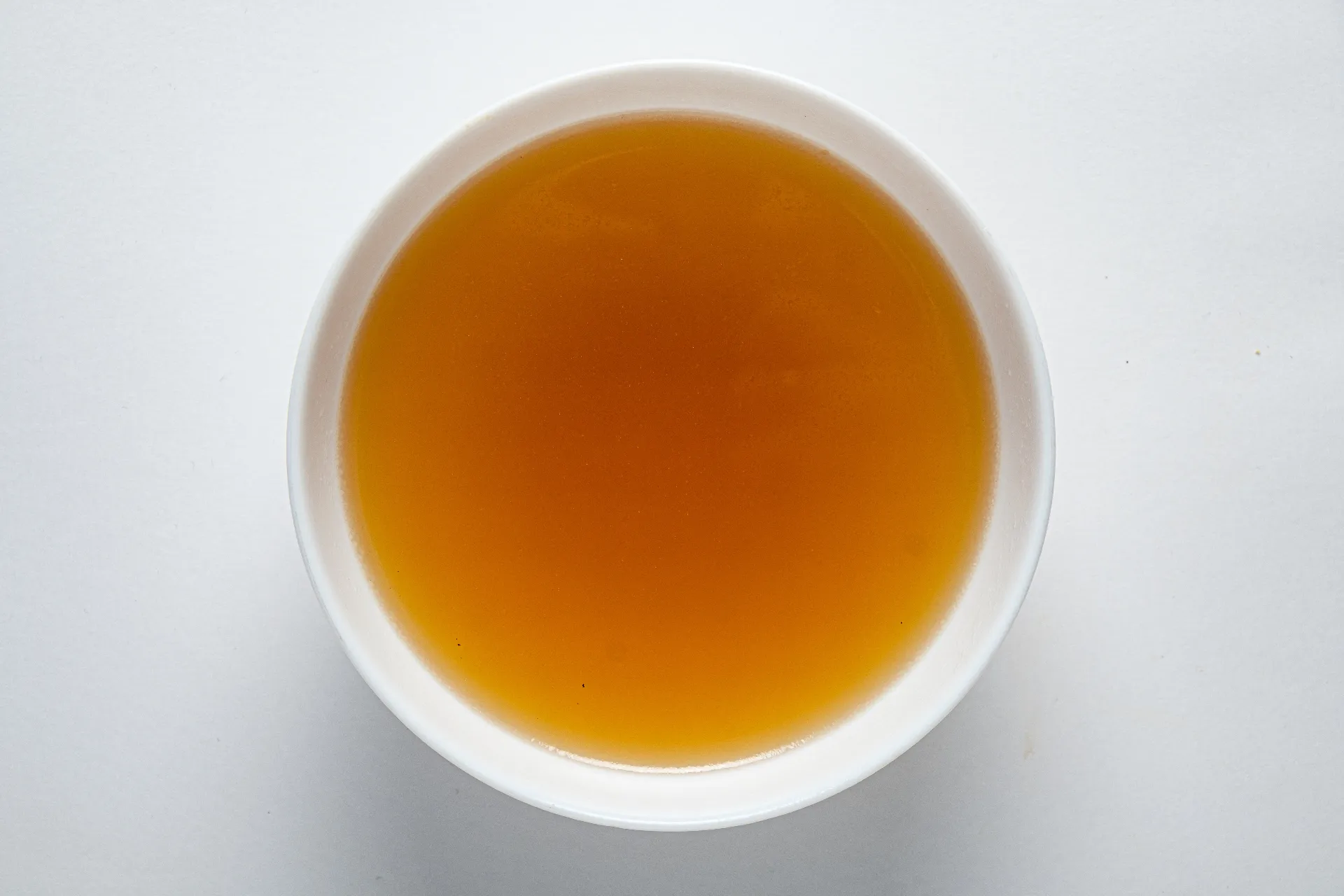
What is Bone Broth and Why is it Good For You?
Bone broth has been valued for centuries as a nourishing, healing food. From supporting digestion to fighting inflammation, this simple kitchen staple offers a wide range of health benefits backed by both traditional wisdom and modern science.
Bone broth benefits for digestion and gut health
Bone broth supports digestion and gut health because the gelatin it contains binds water in the digestive tract, soothes the mucosal lining, and helps heal leaky gut — making it especially helpful for IBS, bloating, and inflammatory gut conditions. Not only is bone broth easy to digest, but it may also aid in the digestion of other foods. The gelatin found in bone broth naturally attracts and holds liquids — this is why properly prepared broth congeals in the fridge.
Gelatin can bind to water in your digestive tract, which helps foods move through your gut more easily. Certain foods pull water into the intestinal tract, causing food to rot and leading to gas and bloating — a main causal factor in Irritable Bowel Syndrome. The gelatin can bind to that excess water and help remove it from the intestines, thus improving the intestines' ability to digest nutrition.
It has also been shown to protect and heal the mucosal lining of the digestive tract. The mucosal lining lines both your gut and your lungs — emphasizing the Large Intestine and Lung relationship in Chinese medicine. Supporting a healthy gut in turn supports the functioning of the lungs' ability to ward off sickness.
An amino acid in gelatin called glutamine helps maintain the function of the intestinal wall and has been known to prevent and heal a condition known as "leaky gut." Leaky gut, associated with several chronic diseases, is when the barrier between your gut and bloodstream is impaired, allowing substances to leak into your bloodstream and cause systemic inflammation.
Summary
The gelatin in bone broth supports healthy digestion. It helps absorb excess water, allowing nutrients to be processed more efficiently. It may help protect and heal the mucosal lining — the surface upon which nutrition is absorbed.
Bone broth fights inflammation with amino acids
Bone broth fights chronic inflammation through the amino acids glycine and arginine, which calm inflammatory pathways linked to heart disease, diabetes, arthritis, and metabolic syndrome. The amino acids found in bone broth, including glycine and arginine, have strong anti-inflammatory effects. Arginine, in particular, may help fight the inflammation associated with obesity.
One study shows higher levels of arginine in the blood are associated with decreased inflammation in obese women. While some inflammation is necessary, chronic inflammation may lead to serious diseases including heart disease, diabetes, metabolic syndrome, Alzheimer's disease, arthritis, and many types of cancer.
Summary
The amino acids in bone broth can help fight inflammation. Because of this, eating it may help protect against disease.
Healing herbs to add to bone broth
🍋 Lemon
Helps replenish electrolytes. Can substitute for apple cider vinegar.
🌿 Rosemary
Antibacterial, anti-inflammatory, antioxidant, and anticancer properties according to NIH research.
🌱 Oregano
Essential oils recognized for antimicrobial, antiviral, antifungal, antioxidant, and anti-inflammatory properties.
🌾 Thyme
Traditionally used for its antiseptic, antispasmodic, and antitussive effects, plus antimicrobial and antifungal properties.
How to make homemade bone broth (recipe)
Ingredients
- 1 gallon of water
- 2 tablespoons of apple cider vinegar (draws out nutrients from the bone)
- 2–4 pounds of animal bones (preferred organic grass-fed chicken, can substitute with beef)
- 1 generous pinch of salt and black pepper (plus more to taste)
- Any of your chosen optional additions
Instructions
- Add the bones to a large pot or Dutch oven. Top with filtered water until generously covered (about 12 cups). This should reduce down by about ⅓ to ½, leaving you with 6–8 cups of bone broth.
- Add a bit of salt and pepper to season the broth.
- Add apple cider vinegar — the acidity breaks down collagen and makes it more abundant in the broth. You can also substitute lemon juice.
- Bring to a boil, then reduce to a simmer and cover. Cook for at least 10–12 hours, or until reduced by ⅓ to ½.
- Strain and discard the bones. Use immediately or store and freeze for up to 1–2 months. Leave a couple of inches at the top of the container for expansion in the freezer.
Note: Bone broth typically gelatinizes when refrigerated because of the collagen content. That's normal — when reheated it liquefies again.
🌿 Final Thoughts
Bone broth is a simple, affordable way to support your digestive health, fight inflammation, and nourish your body. Whether you're recovering from illness or simply looking to improve your overall wellness, a warm cup of homemade bone broth is a great place to start.
Ready to Build Your Custom Roadmap?
Your Discovery & Strategy session maps your symptoms into a clear plan — with full billing transparency. We check your insurance benefits for you, and private-pay rates are shown upfront before you book, so there are never any surprises.
Discovery & Strategy