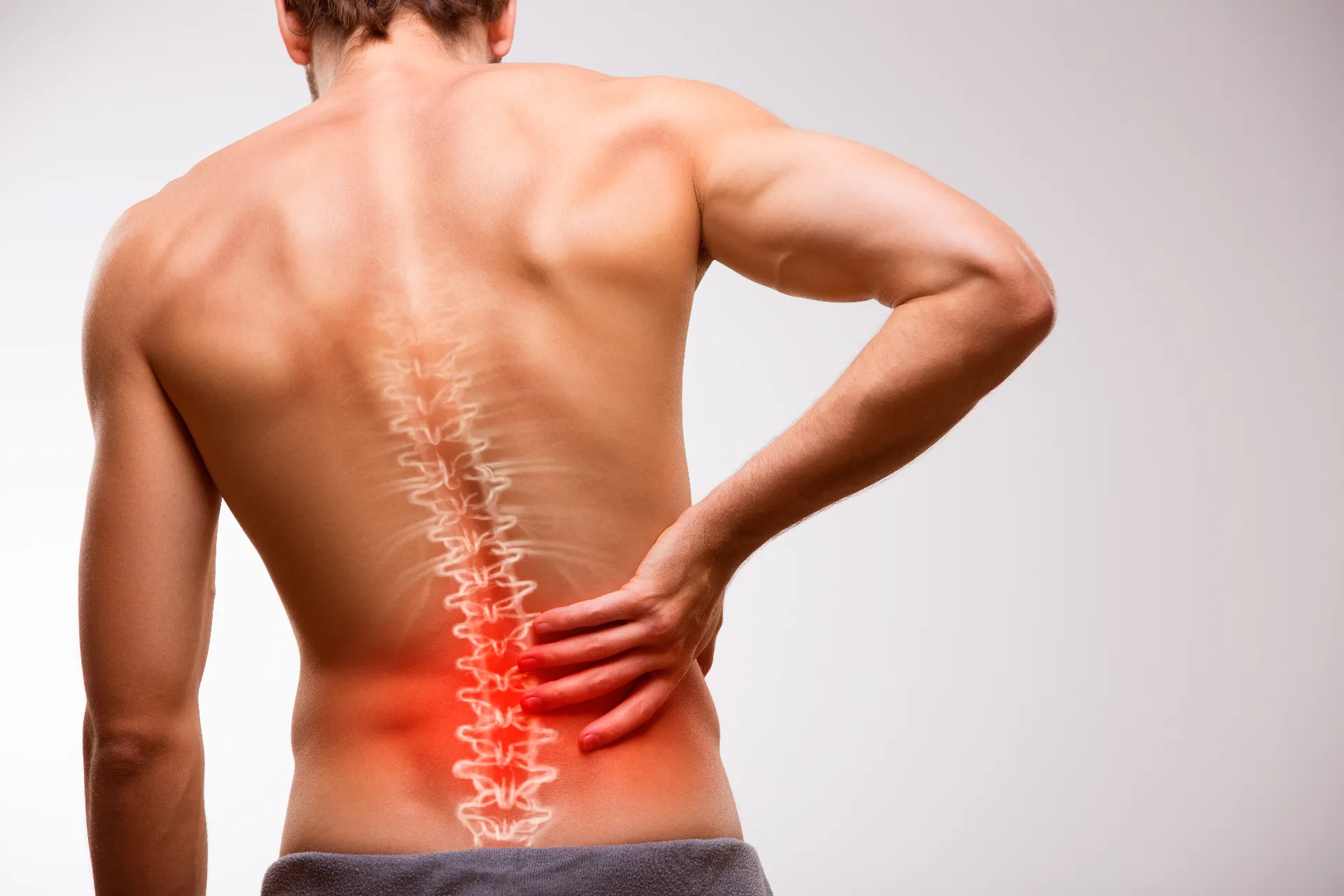
The Roadmap to Lasting Relief: Clinical Care for Back Pain, Spasms, and Sciatica
When standard stretching, heating pads, and temporary over-the-counter fixes stop working, it means your pain has settled deep into your nervous and circulatory systems. Living with persistent back spasms, shooting sciatic nerve pain, or chronic joint inflammation is physically and mentally exhausting.
Our specialized target protocols utilize precise neural path stimulation to target the root neurological and circulatory causes of structural pain.
Interrupting the Sciatic Nerve Cascade
Sciatica occurs when a nerve pathway becomes compressed or severely irritated by surrounding tight muscle tissue, sending sharp pain down your lower back and legs. Standard treatments often focus only on the surface layer where it hurts. We look deeper.
Introducing specialized clinical filaments into tight, locked muscle tissue allows those fibers to experience an immediate local reset. This action instantly takes physical pressure off the compressed nerve pathway. Concurrently, a rapid local cascade is initiated, releasing adenosine—a powerful local chemical messenger that instantly acts to down-regulate overstimulated pain receptors and calm nerve irritation.
Accelerating Core Tissue Healing
To completely break the cycle of chronic pain, structural tissues require deep oxygenation. The physical presence of our advanced protocols spikes your local vascular circulation, flooding injured nerve tracks and muscle tissue with oxygen-rich blood and natural healing factors. This down-regulates local inflammation, clears out cellular stagnation, and effectively redraws your body’s structural pain templates so you can reclaim fluid, pain-free daily mobility.
The Full Range of Pain Conditions We Treat
Acupuncture provides natural, drug-free pain relief by triggering the release of endorphins, lowering inflammatory cytokines, and improving blood flow to injured tissue — which is why it works on a wide range of musculoskeletal and nerve pain conditions.
What Harvard, the CDC, and ASH Say About Acupuncture for Pain
Harvard Health
"Chronic pain in the muscles and joints can make life miserable. Standard treatments like ice and heat, anti-inflammatory medications, physical therapy, and appropriate exercises can often ease the pain. But when they don't, acupuncture is an option with a good track record that's worth considering."
 Centers for Disease Control and Prevention
The CDC states that chronic pain is one of the most common reasons adults seek medical care, and that it "has been linked to restrictions in mobility and daily activities, dependence on opioids, anxiety and depression, and poor perceived health or reduced quality of life."
American Specialty Health Inc
"Most notably were the findings that between 85% and 93% of the patients surveyed said their acupuncturist was successful in addressing their primary health issue. Many of these patients had stubborn, chronic pain conditions."
The Clinical Data: Systems-Axis Validation
 NIH-Funded Research
You treat your health with the intelligence of a researcher, and clinical evidence can help inform your decisions. A landmark meta-analysis supported by the National Institutes of Health (NIH) and published in the Archives of Internal Medicine evaluated individual patient data from 29 high-quality randomized controlled trials involving 17,922 people with chronic pain. Acupuncture showed statistically significant benefits compared with sham acupuncture and no-acupuncture controls across the studied conditions. Differences versus sham were relatively modest; these findings support acupuncture as a pain-management option, not proof of permanent structural repair or guaranteed recovery:
Read the full study →"Acupuncture is effective for the treatment of chronic pain and is therefore a reasonable referral option. Significant differences between true and sham acupuncture indicate that acupuncture is more than a placebo."
— Vickers et al., Archives of Internal Medicine, 2012
Beyond the Spine: Tennis Elbow & Repetitive-Strain Pain
Tennis elbow (lateral epicondylitis) is repetitive-strain inflammation of the tendons that attach the forearm muscles to the outer elbow, causing a weakened grip and persistent elbow pain. It is one of the most common injuries in athletes and workers — from tennis swings to repeated hammering or hours at a keyboard. Braces, anti-inflammatory drugs, and corticosteroid injections can ease pain, but rarely prevent it from returning.
Acupuncture stimulates the nervous system to release endorphins along with immunomodulatory and vascular factors that reduce inflammation, relax the forearm tendons, and increase microcirculation to the injured tendon. Rather than chasing symptoms, we work from a holistic, whole-body diagnosis — one that helps correct your homeostasis so your body can heal itself.
In one clinical series, 22 patients with chronic tennis elbow who had not found relief with medication or other treatments received acupuncture: 80% experienced lasting relief, and another 10% reported improved flexibility and performance.
What patients say
"My back was really in spasm. I crawled into her office and walked out! Fabulous!"
— Patty, back pain patient
"We have improved my shoulder pain significantly and broadened our focus to cover whatever else is ailing me over the past year. I look forward to the relief I get at our appointments each week."
— Daniel, Google Review
Can neural path stimulation resolve severe radicular pain?
Acupuncture may help relieve radicular pain for some patients, but it does not guarantee resolution or correct every underlying cause. We begin with a holistic, whole-body assessment to consider how pain and other symptoms may be connected, supporting homeostasis and your body’s capacity to heal. Severe or worsening symptoms need medical evaluation; new leg weakness, loss of bladder or bowel control, or numbness around the groin require urgent medical care.
What is the clinical timeline for structural back pain resolution?
Some patients notice reduced neuromuscular tension during their initial session, while others need more time. A care plan may involve a series of 6 to 12 treatments, but neither a fixed timeline nor permanent structural stability can be guaranteed. Your individual timeline is mapped out during your Discovery & Strategy Bio-Assessment based on your symptoms, health history, and response to care.
🌿 Final Thoughts
We treat our patients as intelligent partners. If you are ready to move beyond symptom management alone and explore your interconnected health picture, our Jersey City flagship environment is ready for your arrival. Start with an individualized evaluation to map your biological pathway and discuss a care plan.
Visit our Jersey City clinic to start with a Discovery & Strategy Bio-Assessment.
Ready to Build Your Custom Roadmap?
Your Discovery & Strategy session maps your symptoms into a clear plan — with full billing transparency. We check your insurance benefits for you, and private-pay rates are shown upfront before you book, so there are never any surprises.
Discovery & Strategy