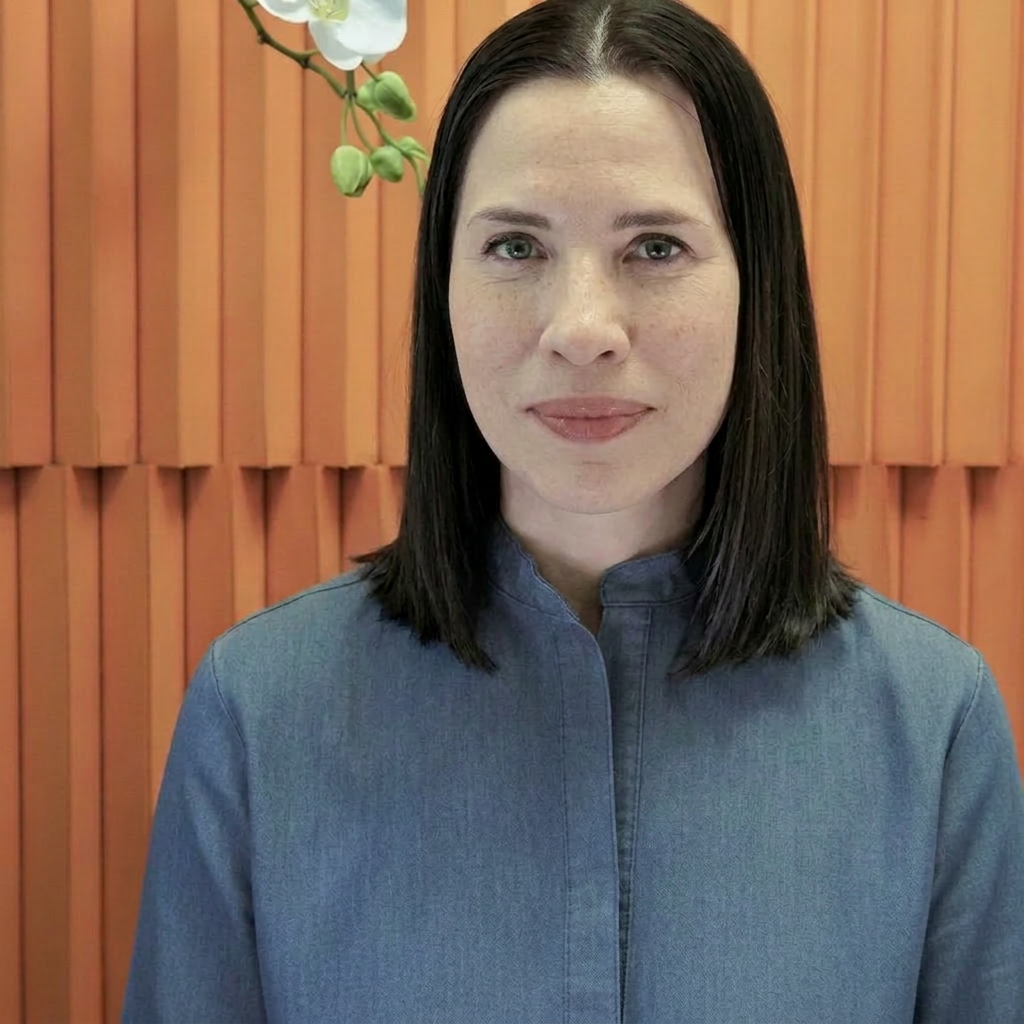
Guide reviewed and edited by
Meet TalahCare from Talah Robbins, LAc — Acupuncture First
Talah Robbins, LAc — NJ Licensed Acupuncturist & Herbalist, NCCAOM board certified, serving Jersey City.

Acupuncture vs. Other Treatments: A Side-by-Side Comparison
Choosing the right treatment can feel overwhelming. This evidence-based comparison breaks down how acupuncture stacks up against medication, physical therapy, chiropractic care, and massage therapy — so you can make an informed decision about your health. Available at our Jersey City acupuncture clinic and our Jersey City location.
In This Guide
Side-by-Side Comparison Chart
| Factor | Acupuncture | Medication | Physical Therapy | Chiropractic |
|---|---|---|---|---|
| Treats root cause (not just symptoms) | Addresses underlying imbalances | Primarily manages symptoms | Addresses structural causes | Focuses on spinal alignment |
| Minimal side effects | Rare minor bruising only | Common side effects (GI, drowsiness) | Occasional soreness | Some soreness, rare complications |
| Non-addictive | Zero addiction risk | Opioids carry addiction risk | No addiction risk | No addiction risk |
| Treats pain conditions | WHO-recognized for 40+ conditions | Effective but temporary | Excellent for rehab | Spinal/joint pain focus |
| Treats anxiety & depression | Regulates nervous system | SSRIs, benzodiazepines | Not primary use | Not primary use |
| Supports fertility | Improves blood flow, hormones | Fertility drugs available | Not applicable | Not applicable |
| Treats digestive issues | IBS, nausea, bloating | Symptom management | Not applicable | Not primary use |
| Improves sleep | Regulates circadian rhythm | Sleep aids, dependency risk | Not primary use | Not primary use |
| Insurance coverage in NJ | Growing coverage, many plans | Widely covered | Widely covered | Variable coverage |
| Can be used alongside other treatments | Highly integrative | Drug interaction concerns | Often combined | Often combined |
Yes Partial/Variable No/Limited
Detailed Comparisons
Acupuncture vs. Pain Medication
While pain medications (NSAIDs, opioids) provide fast relief, they often mask symptoms without addressing root causes. Acupuncture stimulates the body's natural pain-relief mechanisms — releasing endorphins and adenosine — providing lasting relief without dependency risks. Research published in the Archives of Internal Medicine found acupuncture effective for chronic pain, with benefits persisting over time. Many patients use acupuncture to reduce or eliminate their reliance on pain medication.
Read: Natural Pain Management with Acupuncture →Acupuncture vs. Physical Therapy
Physical therapy and acupuncture are excellent complementary treatments. PT focuses on strengthening, flexibility, and movement patterns, while acupuncture addresses pain, inflammation, and nervous system regulation. Many sports medicine practitioners recommend combining both for optimal recovery. PT excels for post-surgical rehab and structural issues; acupuncture excels for pain management, stress reduction, and conditions like headaches or digestive issues that PT doesn't address.
Read: Acupuncture for Athletes →Acupuncture vs. Chiropractic Care
Chiropractic focuses on spinal alignment and joint manipulation, while acupuncture works through the nervous system to address a broader range of conditions. Both can help with pain, but acupuncture also treats anxiety, insomnia, digestive issues, fertility, and more. Many patients benefit from both — chiropractic for structural alignment and acupuncture for systemic balance.
Read: 8 Core Benefits of Advanced Clinical Acupuncture: Real, Biological Changes Explained →Acupuncture vs. Massage Therapy
Massage therapy excels at relieving muscle tension and promoting relaxation. Acupuncture goes deeper — regulating the nervous system, modulating immune function, and treating internal conditions. While a great massage leaves you relaxed for days, acupuncture creates cumulative physiological changes that address chronic issues. Both work beautifully together: massage for muscular relief and acupuncture for systemic healing.
Read: Calming the Vagus Nerve — How Acupuncture Relieves Systemic Stress →When to Choose Acupuncture
Acupuncture is often the best choice when you:
Remember: the best approach is often integrative. Acupuncture works beautifully alongside conventional medicine, PT, and other therapies. Your Discovery & Strategy Bio-Assessment will help determine the best treatment plan for your specific needs.
Frequently Asked Questions
Is acupuncture better than medication for pain?
For many patients, acupuncture provides effective pain relief without side effects or addiction risk. It works especially well for chronic pain conditions. However, acute pain or severe conditions may still require medication. Many patients use acupuncture to reduce their medication use over time.
Can I do acupuncture and physical therapy at the same time?
Absolutely. Acupuncture and physical therapy complement each other well. Acupuncture can reduce pain and inflammation, making PT exercises more effective. Many practitioners recommend combining both for optimal results.
Is acupuncture or chiropractic better for back pain?
Both can help with back pain, but they work differently. Chiropractic adjustments address spinal alignment, while acupuncture boosts circulation to deliver oxygen and nutrients to damaged tissues, calms the nervous system by activating your body's rest-and-repair mode, and releases natural painkillers — your body's built-in pain relief, activated. Many patients benefit from both.
How does acupuncture compare to cortisone injections?
Cortisone provides temporary anti-inflammatory relief (weeks to months) but can weaken tissues with repeated use. Acupuncture addresses underlying causes and has cumulative benefits without tissue damage. For chronic conditions, acupuncture often provides more sustainable relief.
Ready to Experience the Difference?
Schedule a consultation to discuss whether acupuncture is right for your specific health goals.
What this page covers
Guide reviewed and edited by Talah Robbins, LAc · Last reviewed
References
No external citations have been approved for this guide. Content reflects the clinical experience of Talah Robbins, LAc and the Acupuncture First team. Additional vetted references will be added as they are reviewed.